How To Play Five Stones

This is one of the most well known games during the early days of Independent Singapore. Almost every school girl would have a set of five stones in her pocket or bag, ready to play with friends.
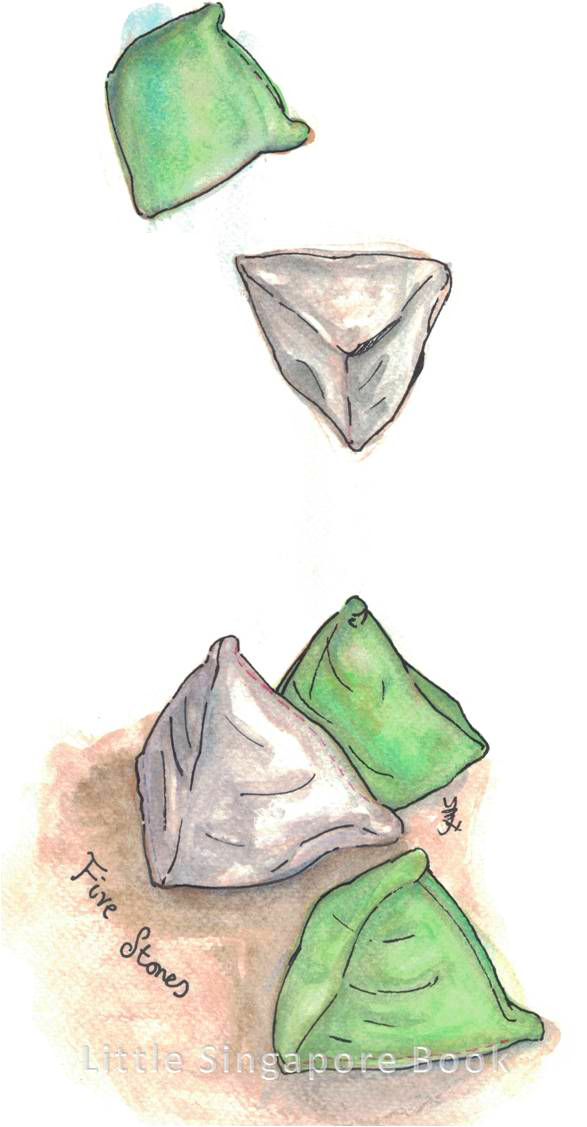
Five Stones watermarked - Etched

You’ll need: At least 2 players, a flat surface to play on, and a set of five stones. (They are five triangular cloth ‘bags’ filled the rice, sand or saga seeds. Each should be about the size of a walnut.)

How to play: Complete the 8 steps below. The person who does so with the least number of attempts wins. If a player drops a stone, he forfeits his turn. When his opponent drops a stone, the player can pick up at the step he didn’t complete, starting from the beginning of that step.

#1: Throw down all five stones. Pick up one and throw it in the air, quickly pick a second stone, while the first is still mid air, and catch it while it falls. You should then have 2 stones in your hands. Put one of them aside, and repeat with each of the remaining 3 stones.
#2: Do like step 1 but pick up two stones at a time. Put two stones aside and repeat.
#3: Repeat step 1 but pick up 3 stones before catching the stone in mid air. Put the 3 stones aside and repeat with remaining stone.

#4: Throw down all five stones. Toss 1 stone in the air, and pick up the remaining four stones at the same time while the first stone is in mid air. Catch it before it lands.

#5: Throw up one stone, and place the other four on the ground. When the stone lands, throw another stone up, grab the four stones and catch the stone before it lands.
#6: Throw all five stones on the ground. Pick two stones. Throw one in the air and swap the other with one on the ground, then catch the other stone before it lands. Repeat with the rest of the stones. You’ll be left with 2 stones in your hands.

#7: Throw up the 2 stones from the end of Step 6. Pick up one stone from the ground, and catch the two falling stones separately in each hand. Repeat until you are left with three stones in one hand and two in the other. Throw the two stones and catch it separately in both hands. Throw the remaining stone and catch it with the hand that has all the stones.

#8: Throw down all the stones. Your opponent selects a stone to be thrown in the air. You have to pick this stone without moving any others, then toss it into the air. Pick up the four stones at the same time, then catch the falling stone.
When Singapore Queued For A Week

Queuing is a very Singaporean trait these days. We like things to be done orderly, and queuing is the fairest way to take turns. You’ll see Singaporeans queuing at food stalls, at the cashier, for buses, etc.

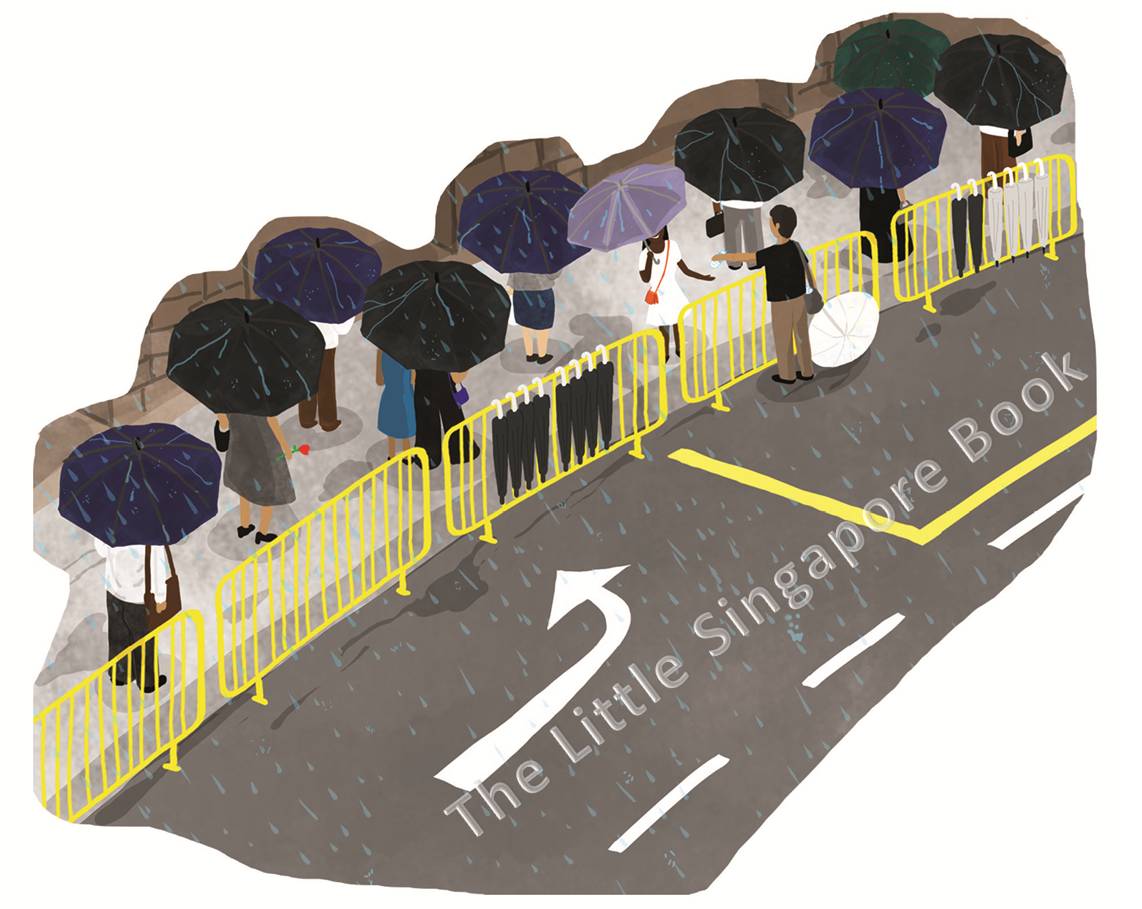
But from 25 to 28 March 2015, Singaporeans queued like they had never queued before! You’ll see a picture of how we queued on page 64 of The Little Singapore Book.

A few days before, on 23 March 2015, Mr Lee Kuan Yew, Singapore’s first prime minister and founding father, passed away at 91 years old. Everyone in Singapore was very sad and lots and lots of people wanted to pay their respects to this man whom people knew as the “Father of Modern Singapore”. When his body lay in state at the Parliament House, massive queues of people formed on the first day, as tens of thousands of people waited to see him one last time. The line snaked all around the business district of Shenton Way, along the historic Singapore river, in front of shophouses and office buildings, until it reached the Parliament House. The queue was eight hours long, and  whether in rain or under the hot sun, Singaporeans were willing to wait in line.

For four days, volunteers, policemen and army soldiers helped to organise the queue which now wound its way many times around the Padang, to the floating platform at Marina Square, and back again. The queue went on non-stop day and night for four days, with people often waiting for as long as eight hours. The only time the queue was closed was when the crowds grew too large and the organisers needed to clear those who were waiting.

Old people, pregnant women, the handicapped and little children had an ‘express queue’ which was a little shorter. For that, they still had to wait for over an hour.

During this national week of mourning, Singaporeans of all shapes, sizes, colours and ages came together to help each other, handing out food and water and umbrellas for those patiently waiting. It was an amazing sight. It also showed how much people respected Mr Lee, the country’s first Prime Minister, who took us from Independence to First World success in 50 short years.

By the time the queue was closed on 28th March 8pm to prepare for the State Funeral,  over 415,000 people from all walks of life had queued to say farewell to Mr Lee.


Once Upon These Crops


Once upon a time, Singapore grew lots of important crops. People came from all over the region to buy and sell gambier, nutmeg, rubber and the king of spice—pepper. Singapore even became the centre of trade for some of these crops in Southeast Asia. They are no longer grown commercially in Singapore, but you can still find them in the Botanic Gardens and the Spice Garden at Fort Canning.

Nutmeg
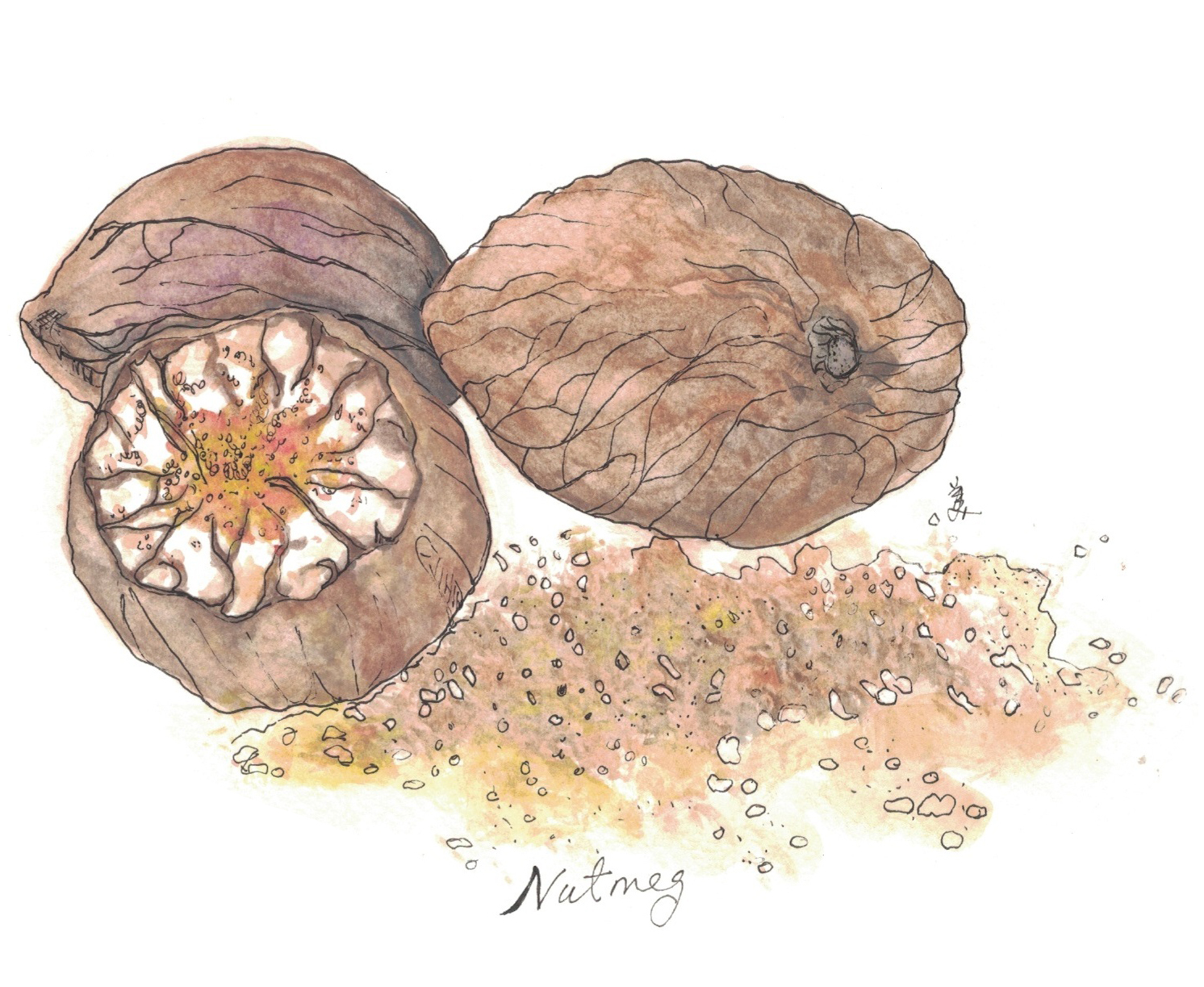
It may not look like much with its egg shape and wrinkled skin, but the seed of the nutmeg tree is one of the most important spices in the world. It was so so valuable that countries fought many many wars over it.

When the British arrived in Singapore, they tried planting nutmeg on the island. They were successful and for a while, everyone wanted to grow nutmeg. But a disease killed off the nutmeg trees and by the 1860s, no one grew it anymore on the island.


Gambier
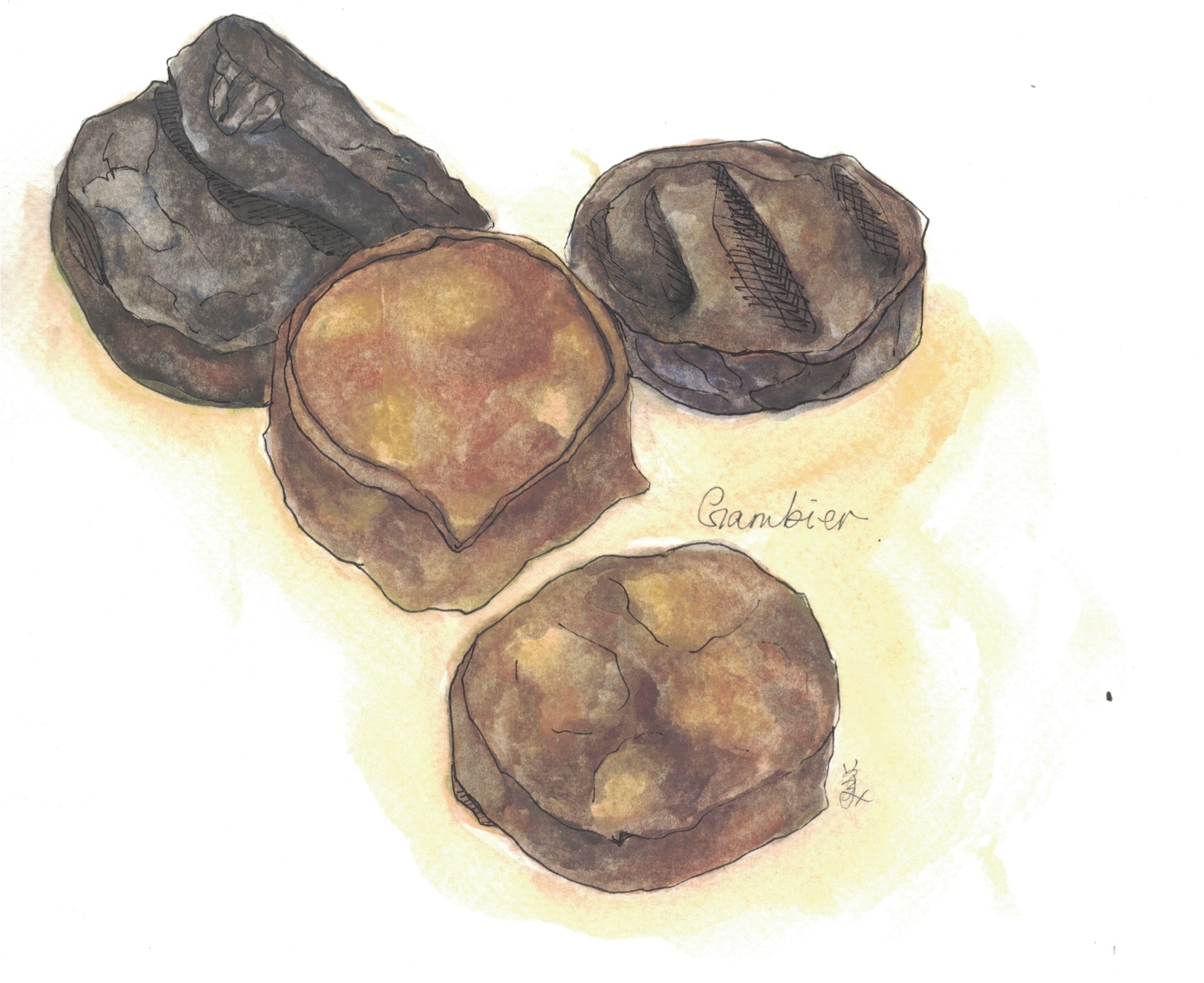
This comes from the leaves of the plant. It is used to tan leather, as a dye, a food additive and as a medicine. Singapore once had many gambier plantations. It was also the main centre of the gambier trade until the 1900s.

Pepper
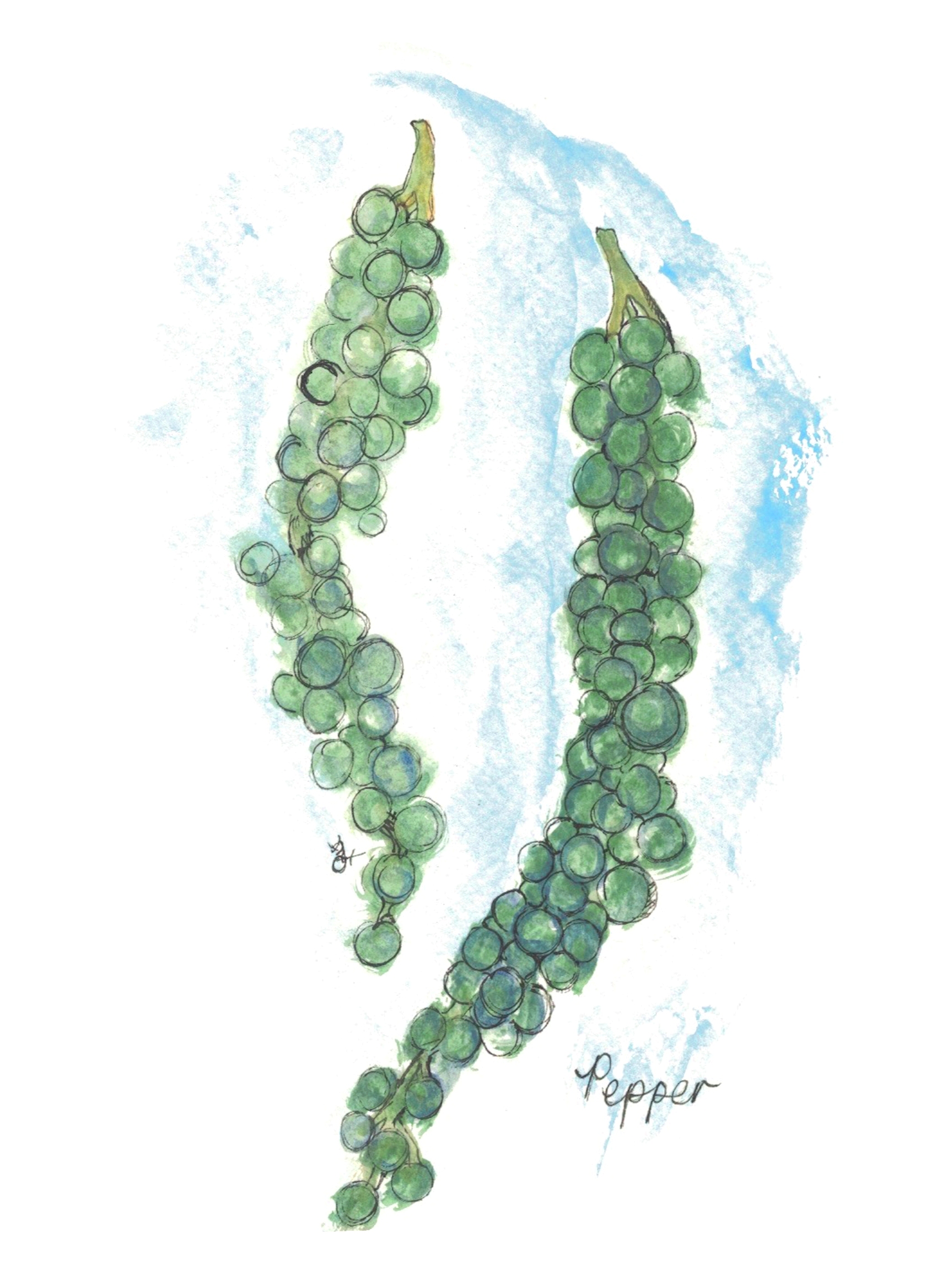
This is the tiny tiny fruit of a flowering vine. When dried, it is known as a peppercorn and is used for cooking. It is often grown together with the gambier plant in Singapore. Pepper is one of the world’s most important spices and Singapore was a once regional center of the pepper trade

Rubber
At one time, this was the most important crop not just in Singapore, but the whole of Malaya. It is harvested by collecting a sticky milk called latex from the tree. Did you know that the best way to harvest it was discovered in Singapore more than 100 years ago? It is still being used today!

Credit: Illustrations by Sim Mei-Ann


The Forgotten Opera House

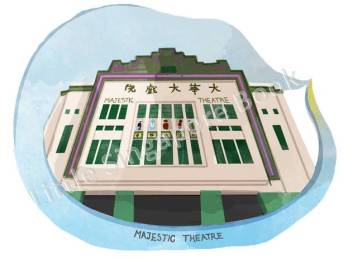
Have you seen The Majestic in Chinatown? You can see a picture of it on page 16 of The Little Singapore Book.

It is a very pretty building near the bustling Chinatown MRT station, with a beautiful tiled frontage. But you may easily miss it when you walk past, because hardly anyone ever walks in there now. It sits quietly these days, almost unnoticed by passers-by.

Majestic Theatre Waternarked

This beautiful building was built almost 90 years ago as a Cantonese opera house, by a very rich and important Chinese businessman called Eu Tong Sen. (The name of the road where the building stands — Eu Tong Sen Street — is named after him.) He built it for his wife who loved Cantonese opera. Many years later, it became a cinema that showed Cantonese movies. In its heyday in the 1950s, The Majestic Theatre was very popular with Singaporeans and lots of film stars from Hong Kong also came to The Majestic.

Since it was closed in 1998, and turned into a shopping centre, no one really goes there anymore. That’s a little sad when you think how grand and busy it must have been a long time ago. Next time you walk past The Majestic, look up and spot the flying dragons and Chinese opera scenes set onto the front of the building.

Singapore’s Philanthropists: Hospitals for the Poor

Over a hundred years ago, many immigrants in Singapore had to work really hard. Some became rich and were very generous with their money. Instead of keeping it to themselves, they shared their success by building hospitals and schools so that others, especially the poor, could make use of them and make their lives better too. These generous people are called ‘philanthropists’. You see, unlike now, there were not many places you could go for help in old Singapore — especially if you were poor.

The six buildings you see on page 16 of The Little Singapore Book are just a few examples of the buildings and organisations built by these philanthropists. Two of them are hospitals for the poor, and they are still around today.

Thong Chye Watermarked JPG (2)

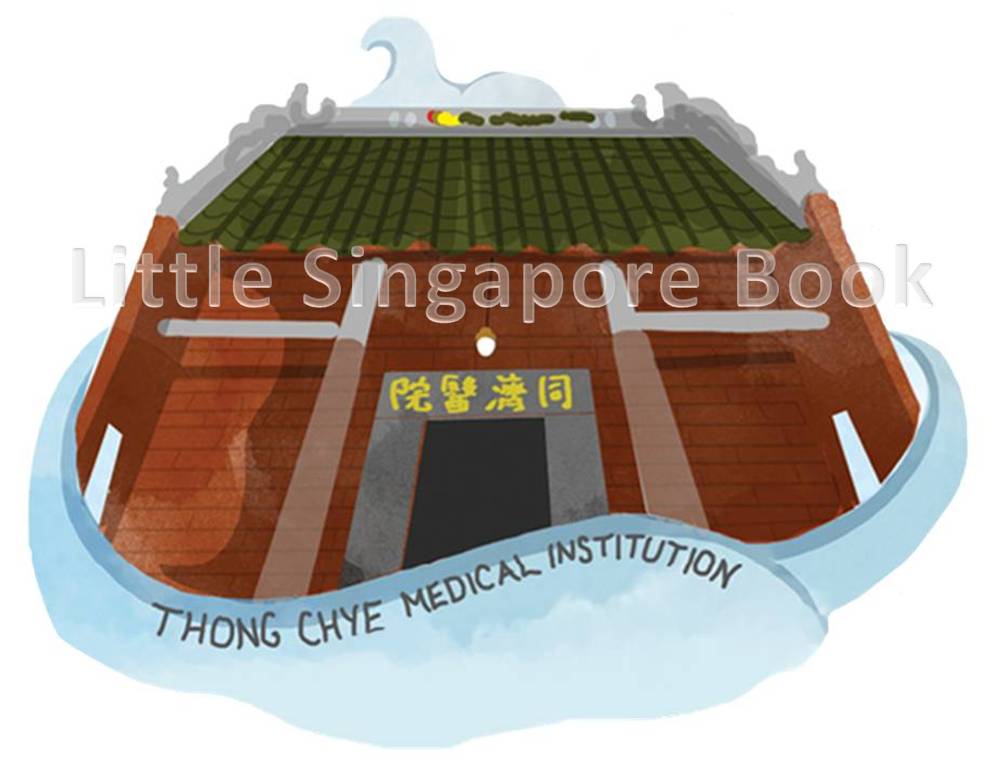
The Thong Chye Medical Institution was started as a free clinic almost 150 years by a group of Chinese immigrants. Traditional Chinese physicians or doctors there took care of the sick free of charge! Lots of rich merchants and businessmen donated money to help run this free hospital, and lots of poor people got the help they needed. One of the biggest donors was a man called Gan Eng Seng. (A school is named after him too.)

Even though it no longer runs out of the beautiful old building which it used to occupy along Eu Tong Sen Street, Thong Chai Medical Institution is still around today and continues to provide free medical care to the poor, thanks to the generous philanthropists from a long time ago!

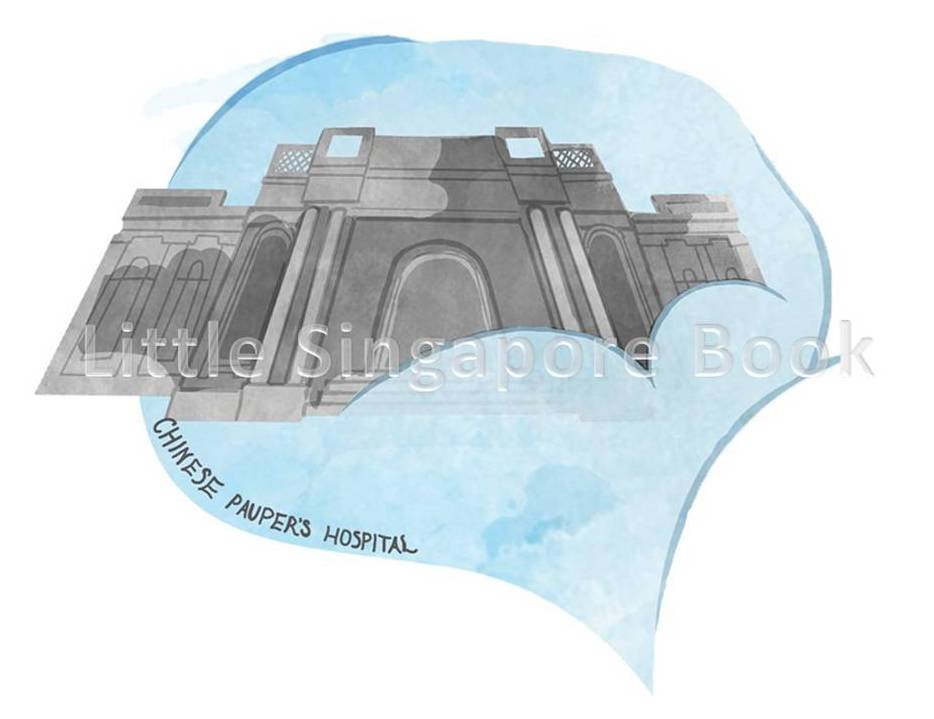
Pauper's Hospital Watermark JPG

Another hospital that helped the poor was the Chinese Pauper’s Hospital. It is more than 170 years old, making it one of the oldest hospitals in Singapore. Most people know it today as Tan Tock Seng Hospital. It was first built at Pearl’s Hill, but had a move a few times over the years before it arrived at its current location. It is named after Tan Tock Seng, a rich Hokkien merchant who gave money and land to build this hospital in 1844. But many people may not know that other rich merchants also helped to build the hospital, like his own son Tan Kim Cheng, and Syed Sharif Omar al-Junied, a wealthy Arab spice trader, who also donated land for the hospital!

Did you know?
Hospitals in 19th century Singapore were very different from the hospitals now. Can you imagine that a very, very long time ago, many patients would run away from the hospital so that they could expose their sores and beg for money along the roads? To prevent them from doing that again, these misbehaving patients would be caned as punishment! That surely would not have helped the patients get well sooner! Aren’t you glad things are not like that anymore? We sure are!